
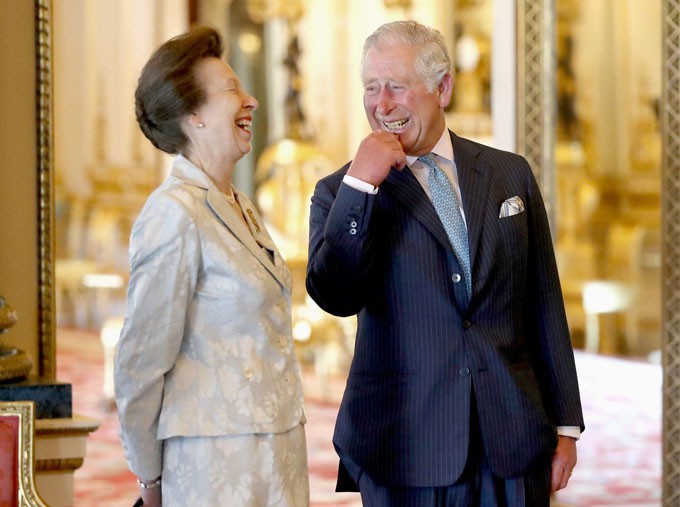
Traditionally, royal decrees include the names of all key figures within the monarchy, especially that of the queen consort. However, in a striking departure from this norm, the latest decree lists only four names: King Charles, Princess Anne, Prince William, and Catherine, Princess of Wales. The absence of Queen Camilla's name has raised eyebrows and sparked intense speculation regarding her role within the royal family. According to reports, this decision was not an oversight but a deliberate choice, confirmed by palace insiders ).
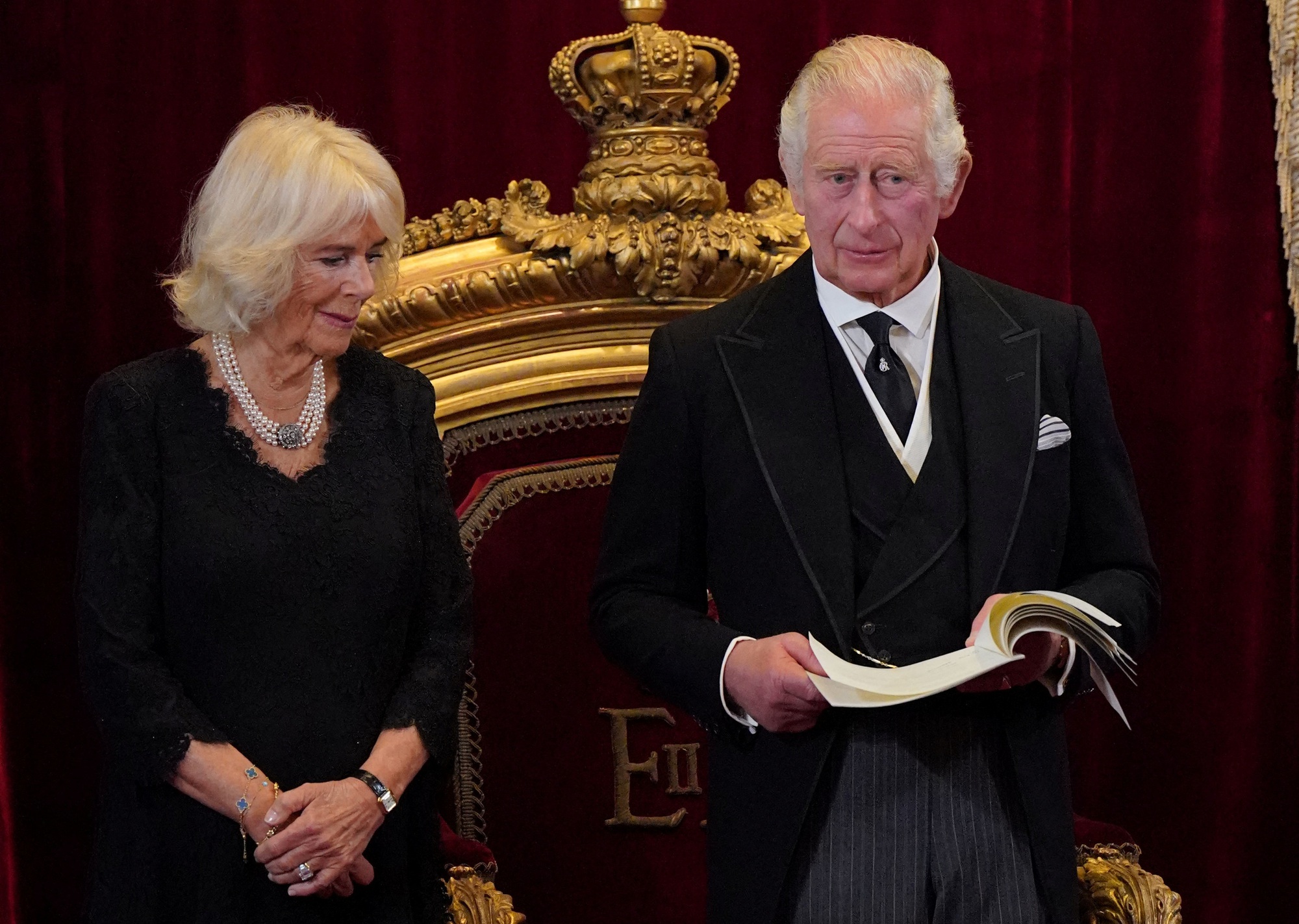
The reaction within the palace has been one of silence and uncertainty. Courtiers are reported in a state of turmoil, grappling with the implications of this unprecedented action. Royal analysis describes the move as a “seismic shift” in the monarchy’s structure, suggesting that it may signal a reconfiguration of power dynamics within the royal family. The decision to exclude Camilla from such a significant document raises questions about her standing and influence, particularly at a time when the monarchy is navigating various challenges.
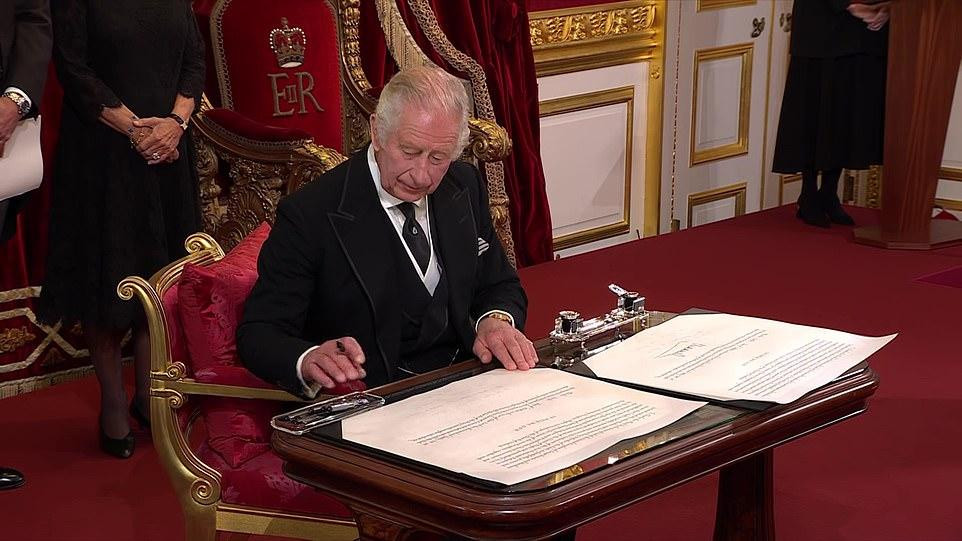
Insiders are speculating that this decree may mark a significant shift in power, with Catherine, Princess of Wales, being positioned more prominently within the royal hierarchy. Some analysis suggests that King Charles and Princess Anne may be positioning Catherine as a central figure in the future of the monarchy, potentially sidelining Camilla in the process. This could be seen as a strategic move to modernize the monarchy and align it more closely with the public's expectations.
Public reaction to this news has been mixed. While some royal watchers express concern over the implications for Camilla, others view this as a necessary evolution of the monarchy. The absence of Camilla's name from the decree has sparked debates about her role and effectiveness as queen consort. Many are questioned whether this move reflects a growing divide within the royal family or a calculated strategy to redefine royal roles in the modern era.
