
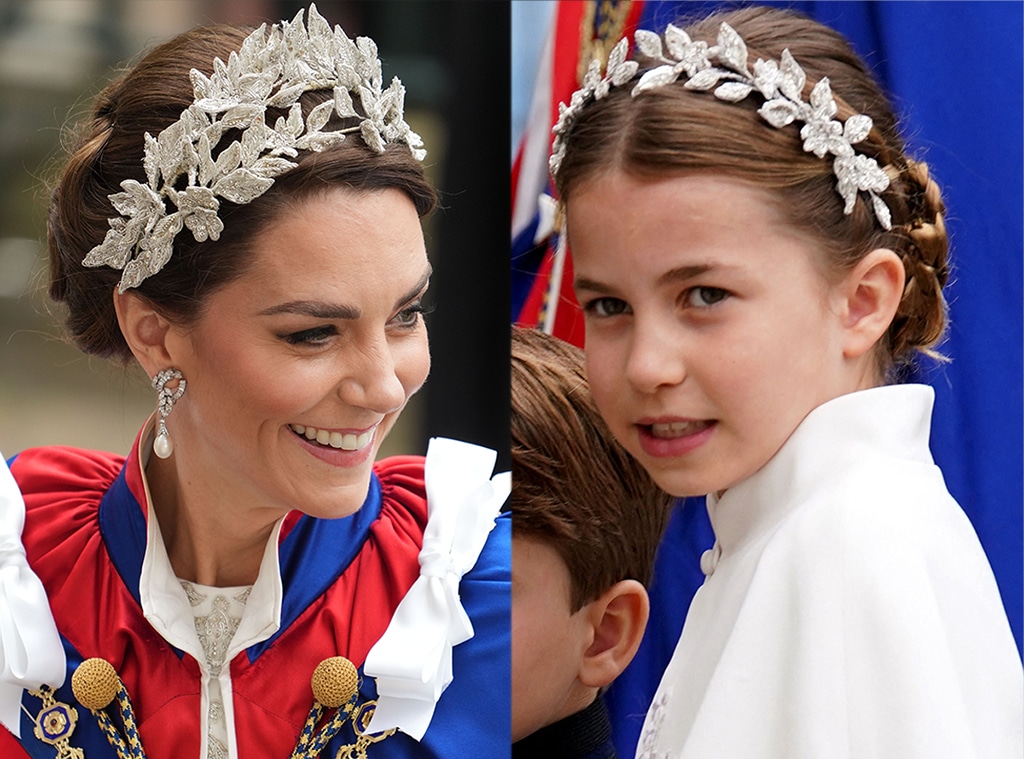
Princess Catherine, previously known as the Duchess of Cambridge, has been a beloved figure in the royal family since her marriage to Prince William in 2011. With the recent announcement, she has received a new title that marks a first in royal history. This title is not just a ceremonial change; it symbolizes a deeper recognition of her role and contributions to the monarchy. According to reports, King Charles III has granted her the title of Royal Companion of The Order of the Garter, a prestigious honor that underscores her commitment to royal duties and charitable work.
This new title allows Princess Catherine to engage more actively in royal functions and responsibilities. As a Royal Companion, she will have the opportunity to participate in exclusive events and ceremonies, further solidifying her position within the royal hierarchy. This change reflects King Charles's vision for a modern monarchy that acknowledges the contributions of its members while adapting to contemporary societal values.
In an equally historic move, Princess Charlotte has also been granted a title that signifies her importance in the royal lineage. She will now hold the title of Duchess of Cambridge, a title that was previously associated with her mother. This decision is particularly groundbreaking as it establishes a precedent for royal titles being passed down to female heirs, promoting gender equality within the monarchy. This shift is a significant step forward, considering the traditional male preference in royal succession.
By bestowing this title on Princess Charlotte, King Charles III is not only honoring his granddaughter but also signaling a commitment to a more inclusive royal family. As she grows, Princess Charlotte will be prepared for a future role that could see her becoming a prominent figure in the monarchy, potentially involving future generations and the public perception of royal duties.

King Charles III's decisions reflect a broader trend towards modernization within the British monarchy. The introduction of these groundbreaking titles for Princess Catherine and Princess Charlotte aligns with the King's vision of a monarchy that embraces change while honoring tradition. This approach aims to enhance the relevance of the royal family in contemporary society, ensuring it remains connected to the people it serves.
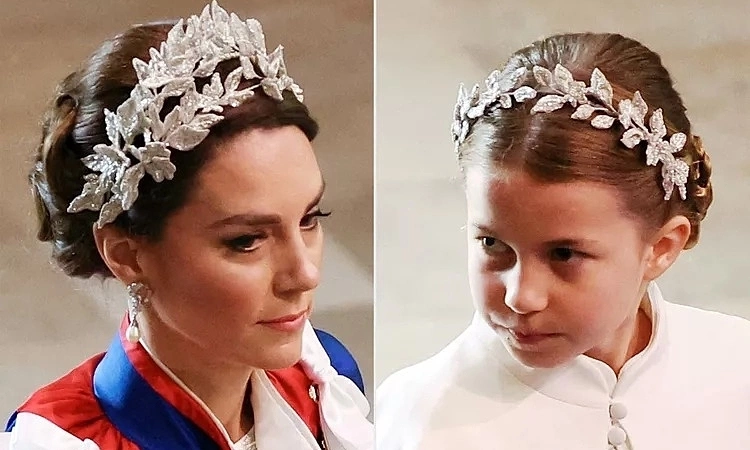
Both Princess Catherine and Princess Charlotte have already demonstrated their commitment to public service through various charitable engagements. The new titles will likely empower them to expand their initiatives, focusing on issues such as mental health, education, and women's rights. As they take on these roles, they will undoubtedly inspire a new generation of royal followers who value service and community involvement.
